China
National coverage is usually stitched together from provincial and city-tier distributors. In public hospital pharmaceuticals, the two-invoice rule limits how many distribution layers can sit between manufacturer and hospital.
Distributor research and selection across 40+ countries. Visit DistributorIQ.
Sixteen markets across South, Southeast and North Asia, running on three different distribution logics. North Asia has mature, tiered channels where exclusivity is negotiated hard. Southeast Asia pairs ASEAN tariff integration with registration that stays national. South Asia puts enormous demand behind deep wholesale layers. DistributorIQ researches distributors in all sixteen.
Discuss your Asia distribution requirementAsia is three distribution regions sharing a continent. North Asia, meaning China, Japan, South Korea, Taiwan and Hong Kong, runs on mature, multi-tier channels. In Japan the wholesaler layer between importer and retailer is a structural feature rather than an inefficiency, and appointments turn on relationships measured in decades. China is not one market but a set of provincial and city-tier markets, and national coverage is usually assembled from several regional distributors rather than bought from one.
Southeast Asia sits inside ASEAN, which has removed most tariffs between members and harmonised dossier formats for medicines and medical devices. It has not harmonised approval. A product registered in Thailand still needs a separate licence holder and a separate approval in Indonesia, Vietnam and the Philippines, and in most of these markets that holder is a local company. Archipelago geography in Indonesia and the Philippines means a distributor's real reach often stops at the main island or the capital region.
South Asia offers the largest consumer populations in the network behind the deepest wholesale chains. In India, FMCG typically moves from principal to super-stockist to distributor to retailer, and coverage is built state by state. Pakistan, Bangladesh and Sri Lanka add foreign exchange and import licensing constraints that decide which distributors can actually land stock.
Ownership follows the same split. Family business groups dominate distribution across Southeast and South Asia, often holding competing brands or their own manufacturing alongside the distribution arm. In South Korea and Japan, distribution is frequently affiliated to larger industrial or trading groups. Myanmar adds a sanctions layer: who ultimately owns a distributor matters as much as what it can do. The practical consequence is that a distributor with a regional headquarters in Singapore or Hong Kong is not evidence of regional reach.

We research distributors in 16 markets across South, Southeast and North Asia, with primary research carried out in each market's own languages. Research is scoped per engagement: we set the depth for each market against your requirement before fieldwork begins, rather than selling a fixed database of Asian distributors.
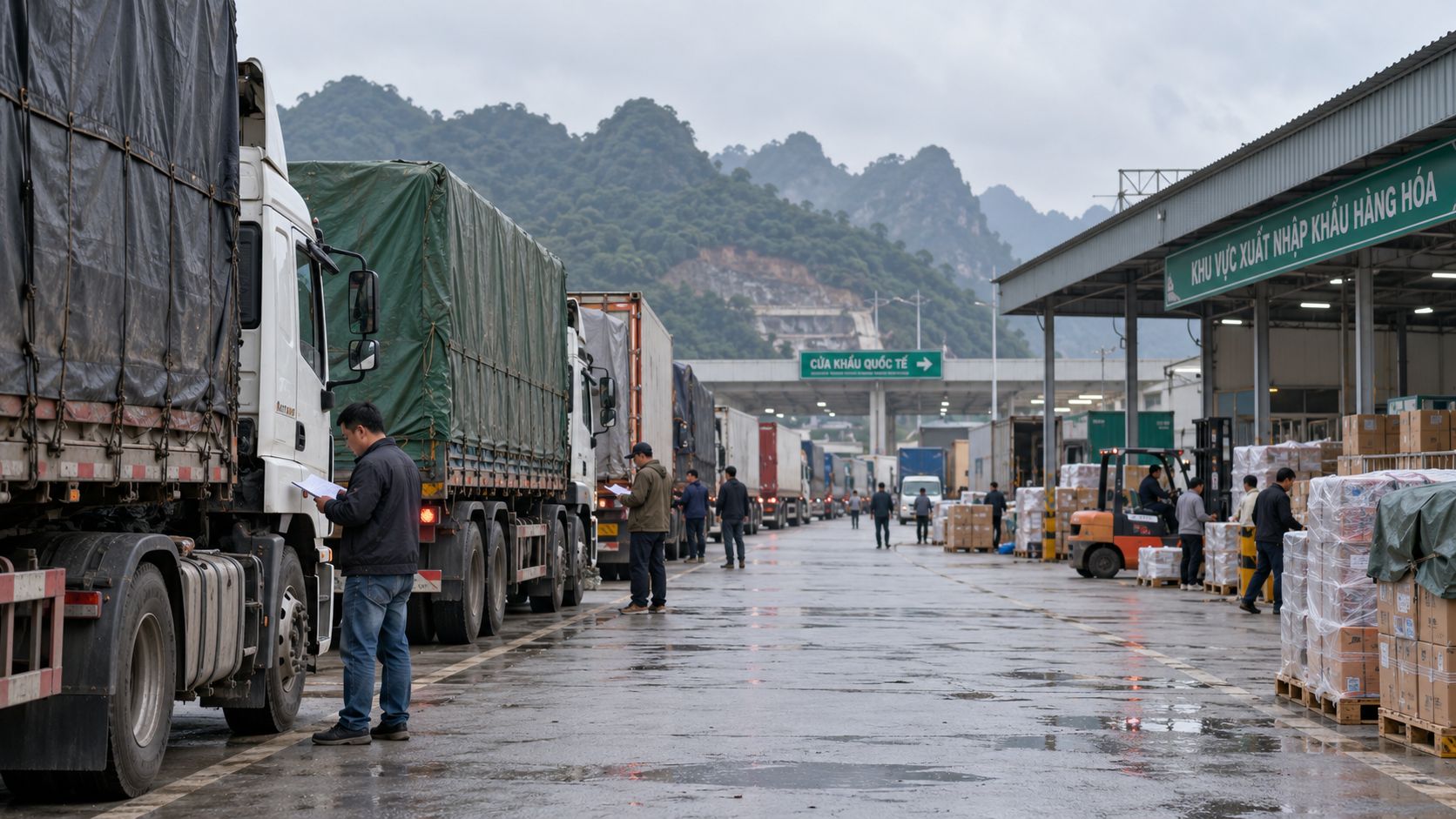
National coverage is usually stitched together from provincial and city-tier distributors. In public hospital pharmaceuticals, the two-invoice rule limits how many distribution layers can sit between manufacturer and hospital.
Medicines and devices need an in-country marketing authorisation holder, and principals often appoint an independent one so the registration does not sit with the distributor. Multi-tier wholesale remains the norm.
One of the most online-led retail markets anywhere, so channel strategy often starts with e-commerce rather than wholesale. Many established distributors sit inside larger business groups with their own portfolios.
Mature, compact and well regulated, with healthcare demand shaped by the national health insurance system and hospital tenders. Distributors tend to be specialist and sector-deep rather than broad.
A free port and re-export gateway. Many Hong Kong distributors claim Mainland China reach; whether that reach is their own or borrowed from mainland partners is the first thing to test.
Product registration is held by a local entity, and mandatory halal certification is being phased in across categories. Coverage of Java rarely extends to the outer islands without sub-distributors.
A long north–south market where Hanoi and Ho Chi Minh City often need different partners. Import and distribution rights for regulated products sit with licensed local companies.
Foreign ownership limits in services push most principals towards a Thai distributor, who typically also holds the Thai FDA licence. Modern trade is concentrated around Bangkok.
Neighbourhood sari-sari stores carry a large share of FMCG volume, so coverage means reaching thousands of tiny outlets across an archipelago, not just Metro Manila modern trade.
Halal certification and Bumiputera participation rules shape both retail and public-sector supply. Peninsular and East Malaysia frequently need separate distribution arrangements.
The regional headquarters market. Many distributors based here present themselves as Southeast Asian, but in-country coverage elsewhere is often sub-contracted to local partners.
Foreign exchange controls and import licensing govern what can be landed, and sanctions exposure makes ultimate ownership checks essential before any appointment.
Coverage is built state by state through super-stockists and distributors. A partner strong in Maharashtra may have no presence in Tamil Nadu or the Hindi-speaking north.
Registration for regulated products typically sits with the local importer, and periodic foreign exchange restrictions decide which distributors can open letters of credit and keep stock moving.
A strong domestic pharmaceutical industry limits room for imported medicines, while import finance and letter of credit capacity separate distributors who can scale from those who cannot.
A small, Colombo-centred distributor base where import controls tightened sharply after 2022. Financial depth is the first test of any partner.
Distributors headquartered in Singapore or Hong Kong routinely offer coverage of five or ten markets. Behind the offer there is often a network of local sub-distributors the principal never meets and cannot control. Each claimed market needs separate evidence: own warehouse, own sales team, own customer accounts.
ASEAN harmonised the dossier format for medicines and devices, not the approval. Across most of the region, a local company must hold the registration, and in practice that is usually the distributor. Changing partner can mean re-registering, which is why the registration question decides the relationship before the contract does.
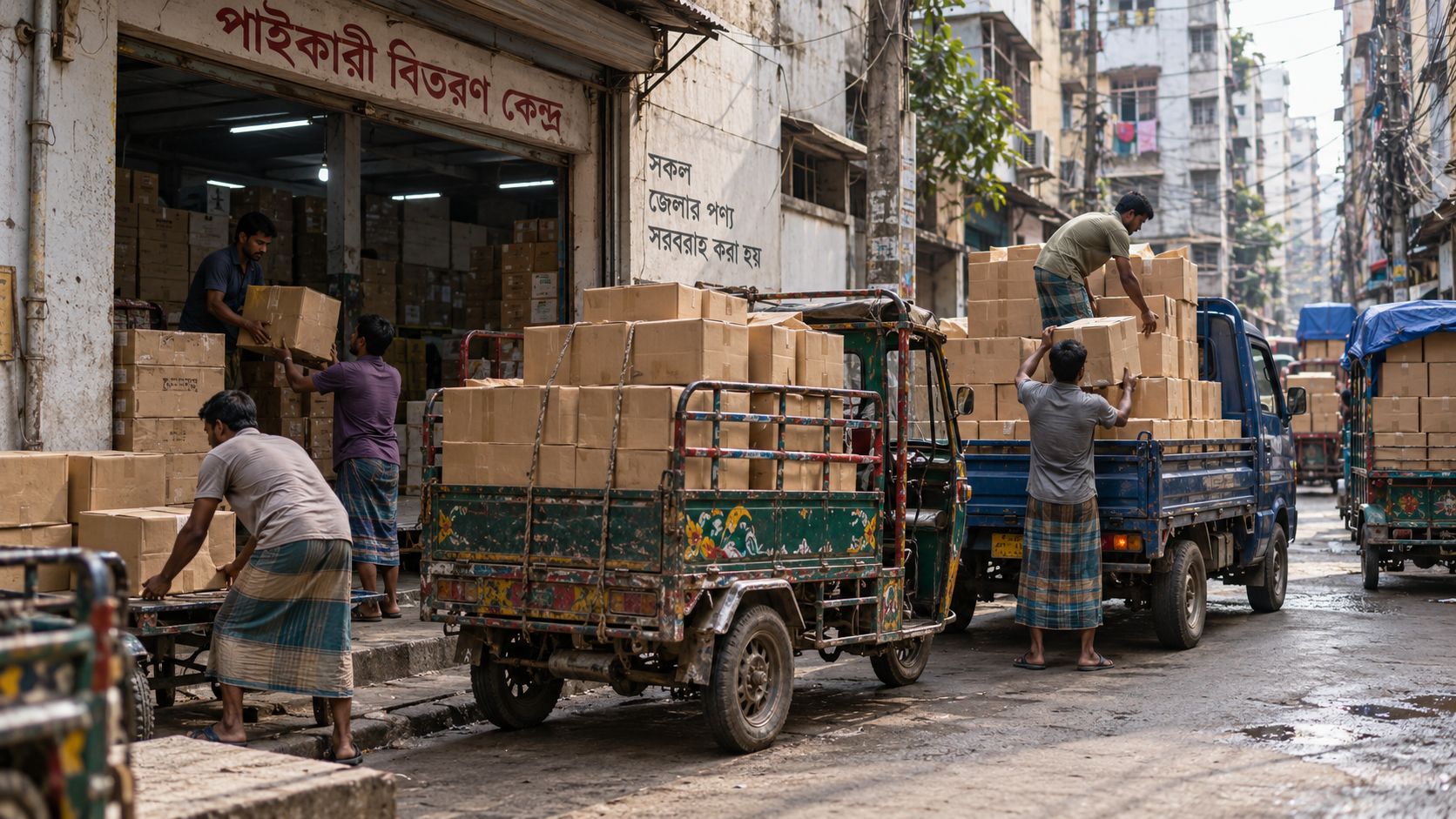
Family business groups in Southeast and South Asia, and affiliated groups in North Asia, often run distribution beside manufacturing or competing brands. The distributor may be the best-connected option in the market and still have reasons to slow a new principal down. The group structure, not the distribution subsidiary, is what needs mapping.
Multi-tier channels in India, Japan and the Philippines each extend credit down the chain, and public healthcare payers in several markets pay slowly. In Pakistan, Bangladesh, Sri Lanka and Myanmar, access to foreign exchange decides whether stock can be imported at all. A distributor's balance sheet is part of its route to market.
Our team has run distributor programmes across the region, from engineering plastics in Thailand, the Philippines, Indonesia and Malaysia to life sciences in China and building materials in Bangladesh. We carry out primary research in the working languages of all 16 markets, which means speaking to distributors, customers and regulators in their own language rather than relying on English-language directories.
Every Asian engagement is scoped per market. Before fieldwork begins we agree with you which markets need full distributor research and which need a lighter view, and we say plainly where evidence is thin. Where a distributor claims coverage of several countries, we research each market on its own terms rather than accepting the regional claim as a single fact. Profiles are verified by our analysts, not scraped, and our full approach is set out on the methodology page.

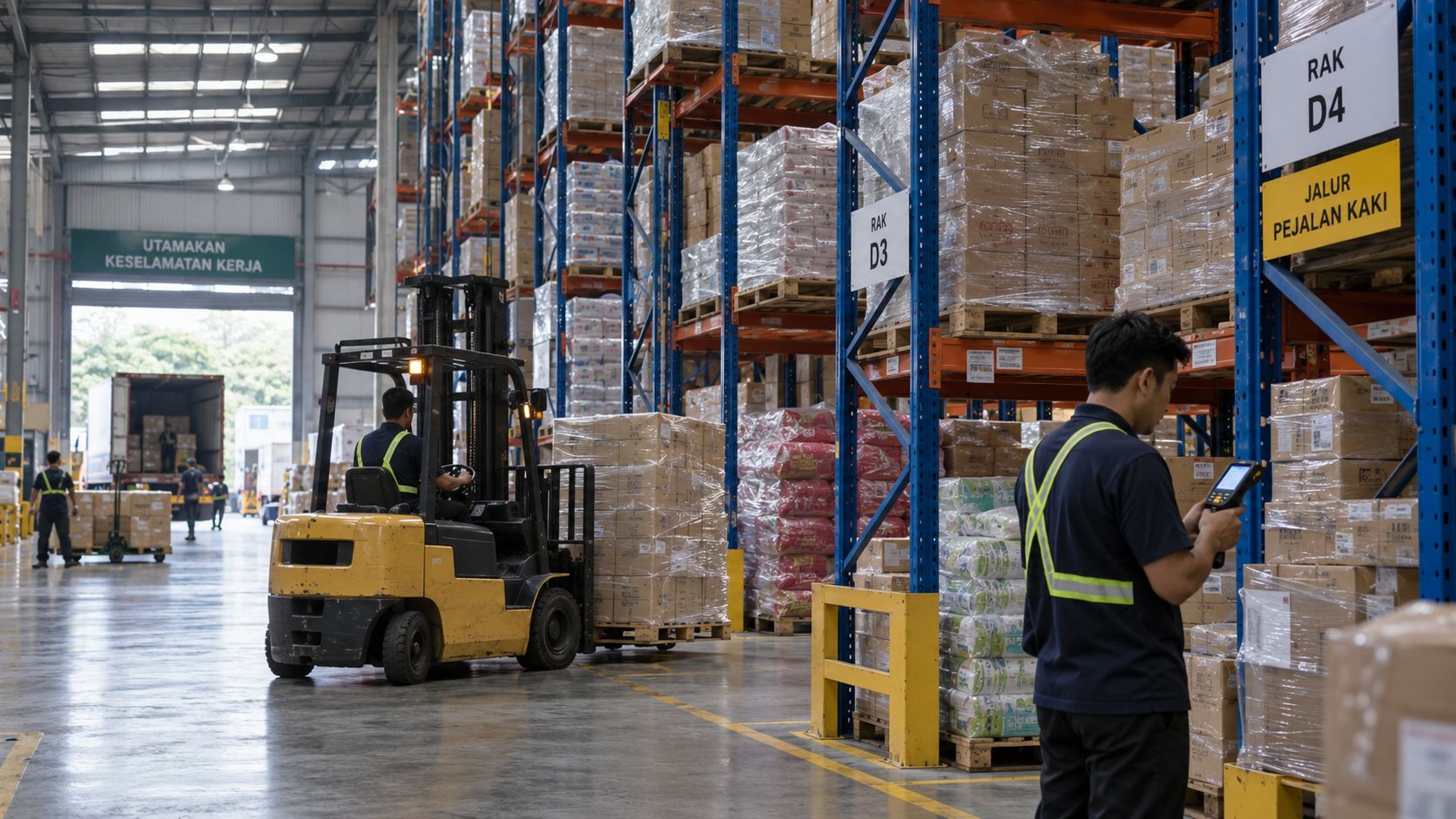
We research and verify distributors across 16 markets in Asia. Any sector. Scoped before fieldwork begins.
Tell us your requirementDistributorIQ's research coverage extends beyond Asia. Explore global market coverage on distributoriq.com.
Explore DistributorIQWe research 16 markets across South, Southeast and North Asia. Tell us which markets you are targeting and we will scope what is possible.
Confidential by default. We don't share enquiry details with distributors or third parties.
Why the holder of your market authorisation decides whether you can ever change distributor.
Most failed appointments fail for reasons that were visible before signing; this is how to see them.